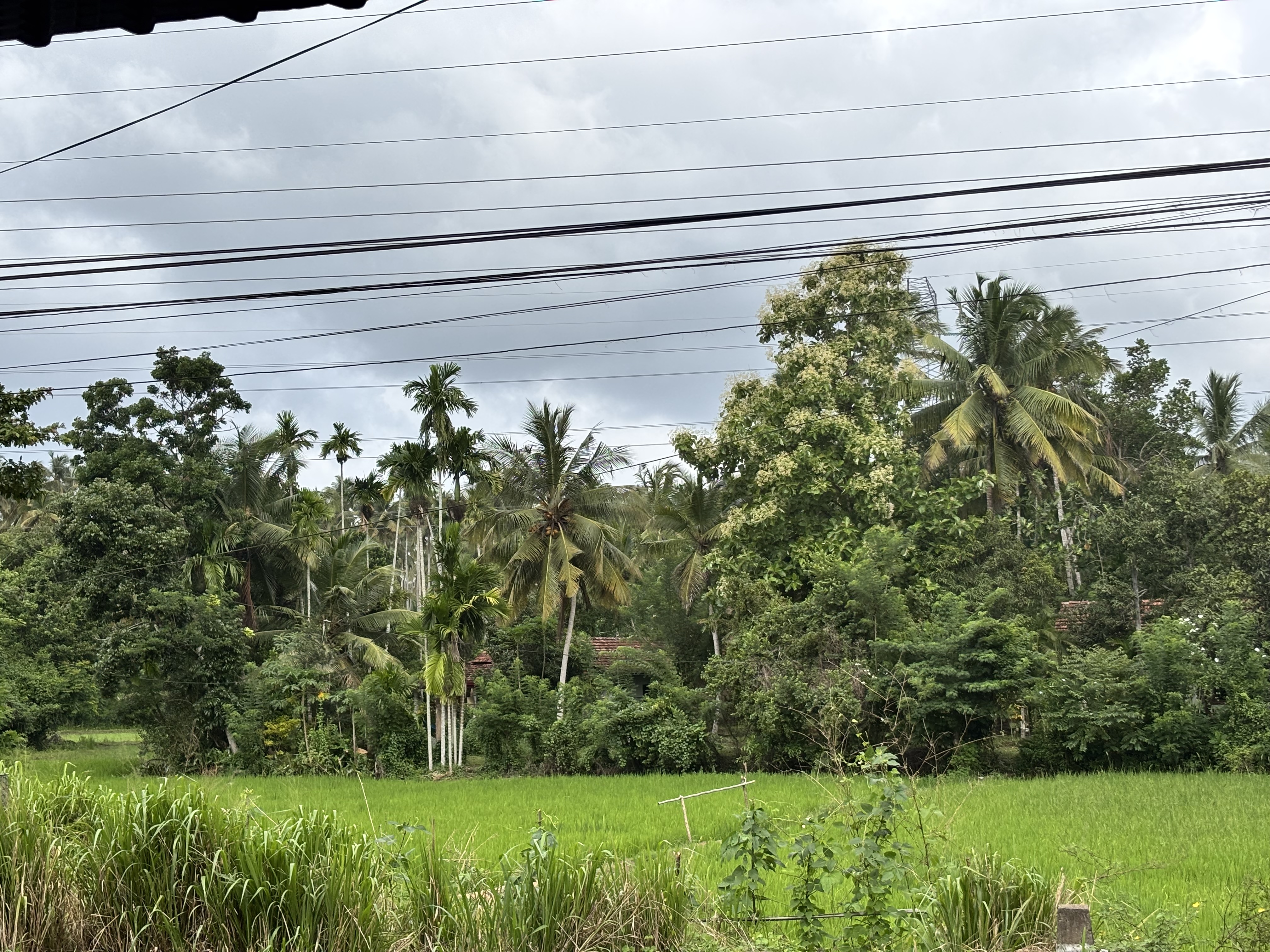
Rice is more than just a food staple in Sri Lanka; it is the cornerstone of our history, culture, and village economy. For over two millennia, Sri Lankan communities have cultivated rice paddy fields using sophisticated water management networks created by ancient kings.
The Paddy Cultivation Cycle
Traditional rice farming is a highly collaborative community effort. Through the DIWASI Paddy Field Experience, volunteers step out of their comfort zones and directly onto family-owned farms to work alongside local farmers. Depending on the season, you will take part in preparing the mud fields, transplanting seedlings, managing irrigation canals, or harvesting the golden grains.
Learning Traditional Water Management
One of the most fascinating aspects of Sri Lankan farming is the 'Wewa' (irrigation tank) system. These ancient man-made lakes collect monsoon rains and distribute water across vast areas using gravity-fed canals. Volunteers help clean and maintain these channels, ensuring that water flows efficiently to every corner of the village crop.
"By participating in the daily labor of rice cultivation, volunteers gain a deep appreciation for the effort behind every meal while helping sustain family farms that face modern economic pressures."
Eco-Friendly Farming Methods
In our projects, we emphasize organic and eco-friendly farming practices. Volunteers help farmers prepare natural fertilizers and pest repellents using local plants and neem leaves, reducing the village's reliance on imported chemicals. It’s an exchange of knowledge that helps protect local soils and water sources for future generations.